
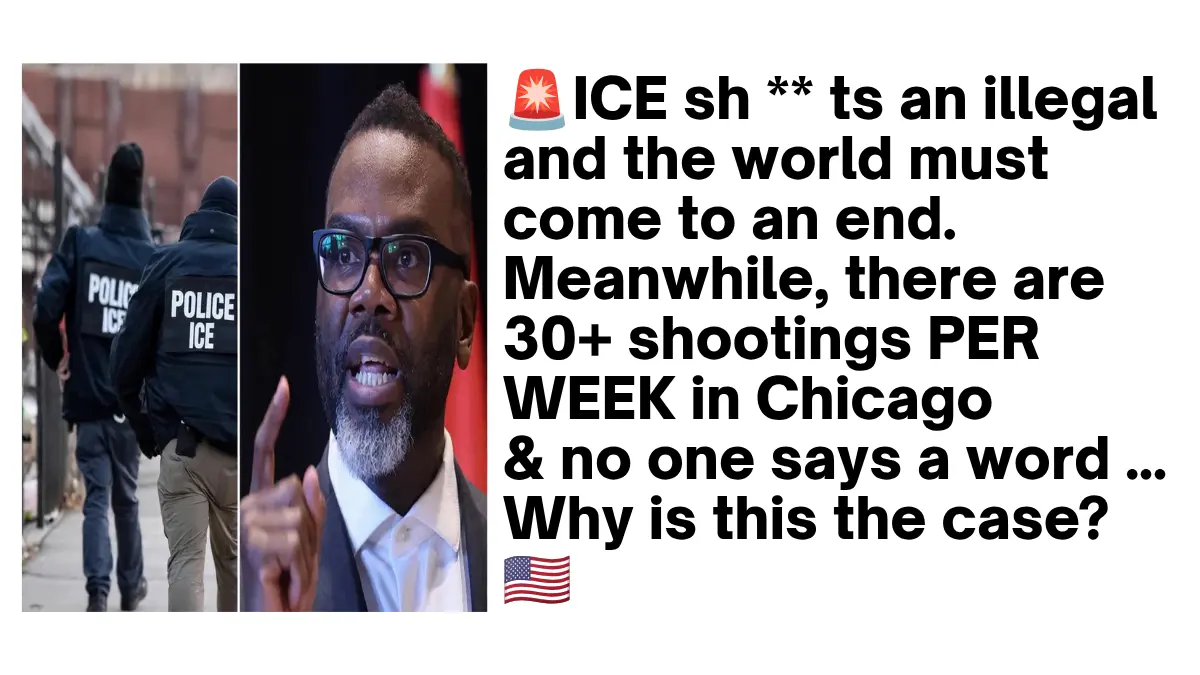
Federal agent shootings and Chicago’s weekly gun violence numbers are both real. Here’s what the data actually shows and why people compare them.
Table of Contents
ICE Shootings vs. Chicago Gun Violence: The Numbers Explained
A recurring argument online compares outrage over shootings by federal immigration agents to Chicago’s ongoing gun violence. Both sides of this comparison involve real, verifiable numbers. Here’s what’s actually documented.
The Federal Agent Shootings
Over the past year, immigration enforcement operations have led to several fatal and non-fatal shootings that drew national attention:
- Silverio Villegas González was fatally shot by a federal agent in suburban Franklin Park in September, during what DHS described as a vehicle stop where the agent was dragged.
- Marimar Martinez was shot five times by a Border Patrol agent in Chicago’s Brighton Park in October; charges against her were later dropped.
- Renee Good and Alex Pretti were killed by federal agents in Minneapolis in January, prompting Mayor Brandon Johnson and Gov. JB Pritzker to call for ICE’s abolition.
Mayor Johnson has since signed an executive order directing Chicago police to investigate alleged misconduct by federal immigration agents.
The Chicago Shooting Numbers
According to Chicago Police Department data, the city recorded 686 shootings and 858 shooting victims through the first six months of 2026 — a pace of roughly 26 to 32 shootings per week, depending on the month. June alone saw 139 shootings. Homicides were up about 6% year-over-year, even as CPD reported historically low totals compared to a decade ago, and other categories like robbery and carjacking fell.
Why People Draw the Comparison
Critics of city leadership argue that officials devote more public attention to a handful of shootings involving federal agents than to the much larger, ongoing toll of everyday gun violence in the same city. Supporters of Johnson’s position counter that shootings by government agents raise distinct constitutional and accountability questions that ordinary street violence doesn’t — namely, whether federal power was used unlawfully against a specific person.
The Bottom Line
Both sets of numbers are real and come from different categories of violence: routine urban gun crime versus use-of-force incidents by federal law enforcement. Reasonable people disagree about which deserves more attention, but neither cancels out the other.
Sources: Chicago Sun-Times, CNN, ABC7 Chicago, WTTW News, Fox 32 Chicago