
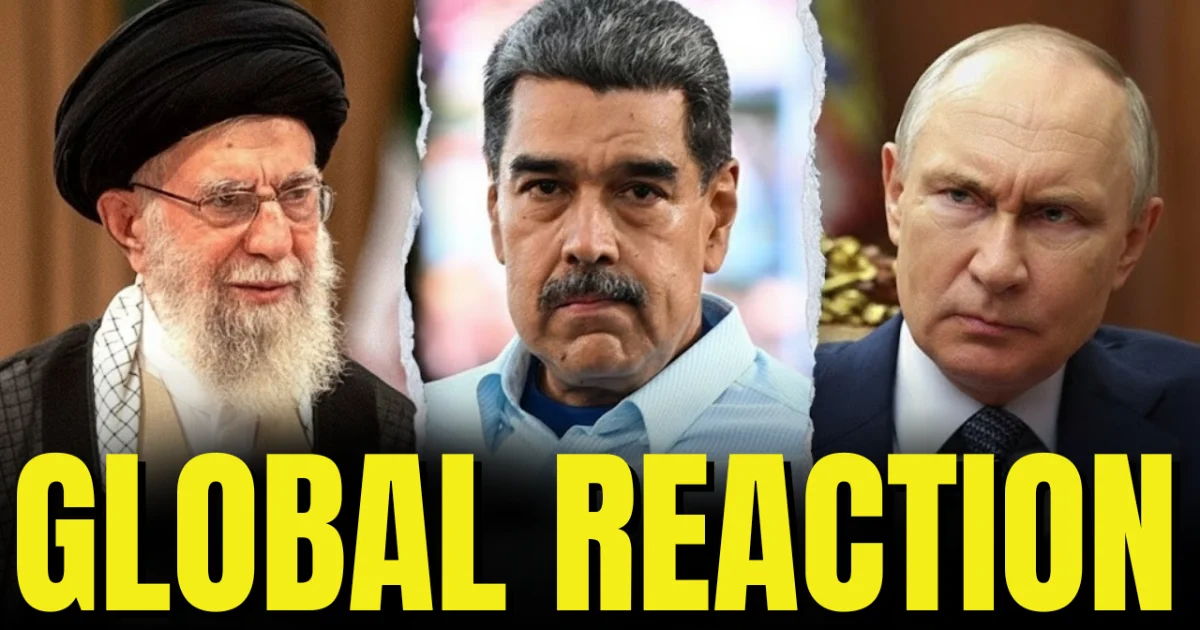
Global leaders express shock over American military action in Venezuela. See how nations worldwide are responding to this unprecedented development.
Table of Contents
Global Leaders Express Alarm as American Military Action in Venezuela Sparks International Firestorm
The phrase “deeply shocked” echoed across world capitals as foreign leaders responded to American military involvement in Venezuela with reactions ranging from outrage to cautious support.
Diplomatic channels have erupted with statements from nations across every continent. The international community finds itself divided over Washington’s dramatic intervention in the South American nation.
These responses will shape American foreign relations for years to come.
Waves of Global Reaction
News of US military action triggered immediate responses worldwide. Government officials scrambled to issue statements reflecting their positions.
The speed and intensity of reactions underscores this situation’s gravity. Few recent American foreign policy decisions have generated such rapid global commentary.
Response Categories:
| Reaction Type | Nations |
|---|---|
| Strong criticism | Multiple countries |
| Cautious concern | Several allies |
| Qualified support | Some Western nations |
| Neutral observation | Various governments |
The diplomatic landscape shifted dramatically within hours of initial reports.
Critical Voices Emerge Loudly
Several world leaders didn’t mince words expressing disapproval. Their statements carried sharp criticism of American actions.
Russian Response
Moscow issued strongly worded condemnation almost immediately. Russian officials characterized the action as violation of international law and Venezuelan sovereignty.
The Kremlin spokesperson described events as “unacceptable interference” in another nation’s internal affairs. Russia demanded emergency United Nations Security Council meetings.
Chinese Reaction
Beijing expressed “grave concern” over developments. Chinese officials emphasized sovereignty principles and non-interference doctrines.
Foreign ministry statements called for immediate cessation of military activities. China has significant economic investments in Venezuela, adding urgency to their response.
Regional Latin American Criticism
Several Latin American nations voiced opposition to American intervention. Historical sensitivities about US involvement in the region fueled strong reactions.
Critical Regional Statements:
- Sovereignty violation accusations
- Calls for immediate withdrawal
- Demands for diplomatic solutions
- References to past interventions
These neighboring nations feel particular stake in how Venezuelan situation resolves.
European Allies Walk Careful Line
Traditional American allies in Europe offered more nuanced responses. Their statements balanced relationship preservation with principle articulation.
European Union Statement
Brussels released carefully crafted language expressing concern while avoiding direct condemnation. The EU called for restraint and dialogue.
Officials emphasized humanitarian considerations alongside sovereignty concerns. European leaders requested detailed briefings from Washington.
United Kingdom Position
London acknowledged the complexity of Venezuelan situation. British officials noted humanitarian crisis while expressing preference for diplomatic solutions.
The UK stopped short of explicit endorsement or condemnation. This measured approach reflects transatlantic relationship considerations.
French Commentary
Paris expressed surprise at the military approach. French officials advocated for international coordination rather than unilateral action.
President’s office statements emphasized multilateral frameworks for addressing such situations.
Some Nations Offer Support
Not all reactions proved critical. Several governments expressed understanding or qualified support for American actions.
Supportive Perspectives:
- Venezuelan opposition leaders welcomed intervention
- Some regional governments privately supportive
- Certain allies emphasized humanitarian justifications
- Democracy promotion arguments resonated with some
These supporting voices remained somewhat quieter than critics but represent significant international segment.
United Nations Responds
The international body became immediate focal point for diplomatic activity. Multiple nations demanded urgent sessions.
UN Developments:
| Action | Status |
|---|---|
| Security Council meeting | Called urgently |
| Secretary-General statement | Issued promptly |
| Human rights concerns | Being addressed |
| Peacekeeping discussions | Preliminary stages |
The Security Council faces potential gridlock given permanent member divisions on this issue. Russia and China hold veto power over any resolutions.
“Deeply Shocked” Becomes Defining Phrase
Multiple leaders used identical language expressing shock. This phrase captured the unexpected nature of American action.
The coordinated language suggests diplomatic communication between concerned nations. Such alignment often precedes more formal joint responses.
Leaders Using Similar Language:
- Several European officials
- Latin American presidents
- African Union representatives
- Asian government spokespersons
This rhetorical alignment signals potential coordinated diplomatic pressure ahead.
Historical Parallels Drawn
International observers immediately referenced historical precedents. Comparisons to past American interventions surfaced quickly.
Historical References Cited:
- Previous Latin American interventions
- Cold War era operations
- Recent Middle East actions
- Other regime change efforts
These comparisons fuel both criticism and context for current events. Supporters and critics draw different lessons from historical examples.
Impact on American Alliances
This situation tests American alliance structures globally. Traditional partnerships face strain from divergent positions.
Alliance Stress Points:
- NATO unity questioned
- Regional partnership tensions
- Bilateral relationship complications
- Multilateral framework challenges
Washington faces diplomatic repair work regardless of Venezuelan outcome. Managing allied concerns requires significant attention.
What This Means for Americans
Ordinary Americans may wonder how international reactions affect them. Several implications deserve consideration.
Domestic Implications:
- International standing perceptions
- Future diplomatic negotiations
- Economic relationship effects
- Travel and business considerations
- Military commitment questions
Public opinion polling shows Americans divided on interventionist policies. These global reactions may influence domestic political debates.
Economic Ripple Effects
International tensions carry economic dimensions. Markets responded to both Venezuelan situation and diplomatic fallout.
Economic Factors:
| Sector | Potential Impact |
|---|---|
| Oil markets | Price volatility |
| Trade relations | Possible disruptions |
| Investment flows | Uncertainty increases |
| Currency markets | Dollar fluctuations |
Business leaders monitor developments closely. Economic implications extend beyond immediate crisis.
Diplomatic Paths Forward
Despite sharp rhetoric, diplomatic options remain available. Several potential resolution frameworks exist.
Possible Approaches:
- UN-mediated negotiations
- Regional organization involvement
- Bilateral diplomatic channels
- International conference convening
- Phased de-escalation agreements
Which path emerges depends on multiple factors including American responsiveness to international concerns.
Media Coverage Worldwide
International media framing of events varies significantly. Different outlets emphasize different aspects.
Coverage Patterns:
- Western media: Mixed analysis perspectives
- Russian media: Strong criticism emphasis
- Latin American media: Regional concern focus
- Asian media: Sovereignty angle prominence
Americans benefit from consuming diverse international perspectives to understand global perceptions.
Coming Days Prove Critical
The immediate period ahead will determine trajectory. Several developments warrant monitoring.
Key Watchpoints:
- Additional leader statements
- UN Security Council votes
- Protest activities globally
- American official responses
- Military situation evolution
These indicators will reveal whether tensions escalate or de-escalation begins.
FAQs
How have world leaders reacted to US action in Venezuela?
World leaders have expressed reactions ranging from “deeply shocked” condemnation to cautious concern to qualified support. Russia and China strongly criticized the action while some Western allies offered more nuanced responses.
Which countries criticized the US military action most strongly?
Russia and China issued the strongest criticism, calling for immediate cessation and UN Security Council meetings. Several Latin American nations also voiced strong opposition citing sovereignty concerns.
Did any countries support the US action in Venezuela?
Venezuelan opposition leaders welcomed the intervention. Some regional governments and allies offered qualified support emphasizing humanitarian justifications and democracy promotion goals.
What is the United Nations doing about the Venezuela situation?
The UN Security Council has been called into urgent session. The Secretary-General issued statements calling for restraint. However, potential vetoes from Russia and China may limit UN action.
How might international reactions affect ordinary Americans?
International responses could impact American diplomatic standing, trade relationships, travel considerations, and economic conditions. Alliance tensions may also influence future foreign policy options.
Conclusion
The global reaction to American military action in Venezuela reveals deep international divisions. World leaders expressing shock signals significant diplomatic challenges ahead.
How Washington navigates this international response will shape American foreign relations for years. The world continues watching closely.
What do you think about international reactions to US Venezuela policy? Share your thoughts in the comments below.