
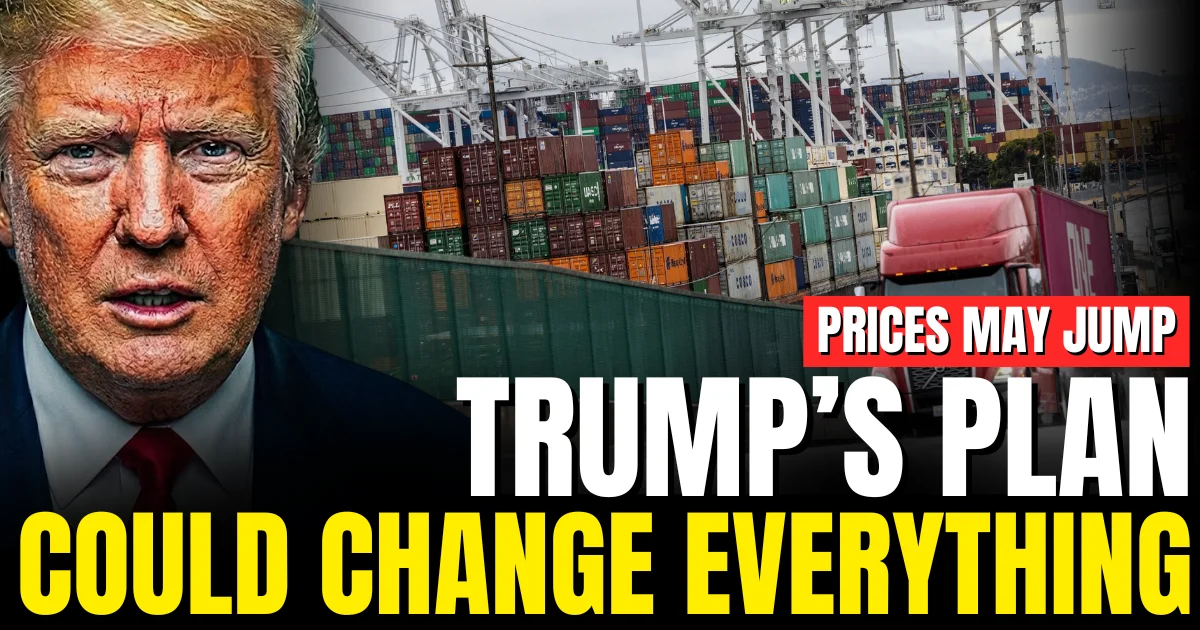
Trump hints at abandoning USMCA trade pact. Discover how this decision might trigger significant price surges for everyday goods. Full breakdown inside!
Table of Contents
USMCA Trade Pact at Risk: Americans May Face Steeper Costs Soon
A major shift in North American commerce looms ahead. President Trump recently hinted at abandoning the trilateral trade framework protecting consumers from steep import duties.
This agreement undergoes mandatory evaluation this July. The outcome directly affects household budgets across America and Canada.

Breaking Down the Trade Framework
The current trilateral arrangement connects three neighboring economies seamlessly. Trump himself championed this deal during his initial presidency.
Core advantages include:
- Zero duties on qualifying merchandise
- Affordable retail pricing nationwide
- Integrated manufacturing networks
- Competitive advantages for domestic companies
Eliminating these protections would reshape commerce dramatically.
Current Duty Rates Explained
| Merchandise Source | Qualifying Goods | Non-Qualifying Goods |
|---|---|---|
| Mexican Products | Zero Duty | 25% Added Cost |
| Canadian Products | Zero Duty | 35% Added Cost |
| Chinese Products | N/A | Maximum 145% |
These differences explain recent behavioral shifts among importers.
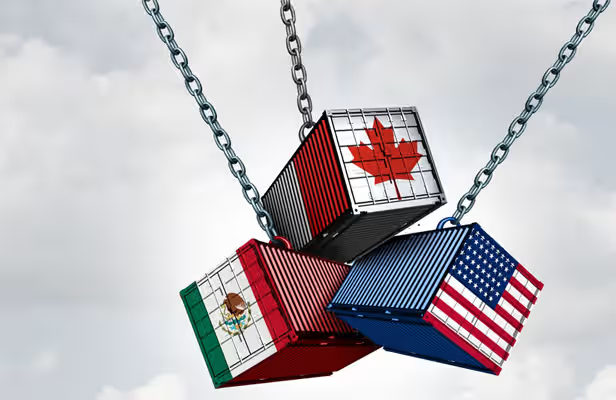
Remarkable Compliance Transformation
Businesses scrambled to meet framework requirements after penalty announcements. Commerce Department figures reveal stunning changes.
| Trading Partner | Previous Year Rate | Current Year Rate | Increase |
|---|---|---|---|
| Canadian Goods | 38% | 86% | +48 points |
| Mexican Goods | 49% | 87% | +38 points |
Tax Foundation expert Erica York confirmed billions in merchandise avoided additional duties through this compliance surge.
Merchandise Categories Facing Greatest Risk
Specific product segments would experience immediate budget impacts without current protections.
Highest vulnerability categories:
- Technology devices and accessories
- Apparel and footwear items
- Vehicle components and assemblies
- Healthcare equipment
- Home appliances and gadgets
Manufacturing processes frequently involve multiple border crossings. Components travel between nations repeatedly before final assembly.

Business Community Raises Concerns
Industry representatives expressed serious worries about potential disruptions.
Global Electronics Association spokesperson Chris Mitchell highlighted interconnected production systems. Abandoning current arrangements would create:
- Extended production timelines
- Elevated component expenses
- Increased consumer pricing
He specifically mentioned automotive, household, and healthcare technology sectors facing substantial impacts.
Presidential Statements and Timeline
| Date | Development | Significance |
|---|---|---|
| April 2025 | Liberation Day duties announced | Initial tariff framework |
| Recent Week | Potential exit signaled | Review intentions clarified |
| July 2025 | Mandatory evaluation begins | Decision point approaches |
| Late 2025 | Possible termination | New framework potential |
Trump declared options include expiration or renegotiation. Trade Representative Jamieson Greer emphasized built-in review mechanisms allow revision or departure.
White House spokesman Kush Desai cautioned against premature conclusions regarding hypothetical arrangements.
Wider Economic Ripple Effects
Framework abandonment triggers multiple consequences:
- Elevated retail costs across sectors
- Diminished manufacturer competitiveness
- Strained continental partnerships
- Prolonged supply network disruptions
Canadian leadership has already explored strengthening Asian commercial relationships amid ongoing tensions.

FAQs
Q1: What framework currently governs North American commerce?
The trilateral arrangement connecting American, Mexican, and Canadian markets replaced previous NAFTA provisions in 2020.
Q2: When does mandatory evaluation occur?
July 2025 marks the scheduled assessment period with potential modifications afterward.
Q3: What cost increases might consumers experience?
Non-qualifying merchandise could attract 25-35% additional duties, likely reflected in store pricing.
Q4: Which everyday items face highest risk?
Technology gadgets, clothing, vehicle parts, and medical devices show greatest vulnerability.
Q5: Has definitive withdrawal been confirmed?
Official decisions remain pending. Multiple outcomes including renegotiation remain possible.
Conclusion
Current trade arrangements have quietly shielded American households from substantial cost increases. Potential framework abandonment threatens this protection significantly.
Residents throughout North America should watch July developments carefully. Decisions made then could reshape shopping budgets considerably.
Spread this breakdown so others understand approaching changes.