
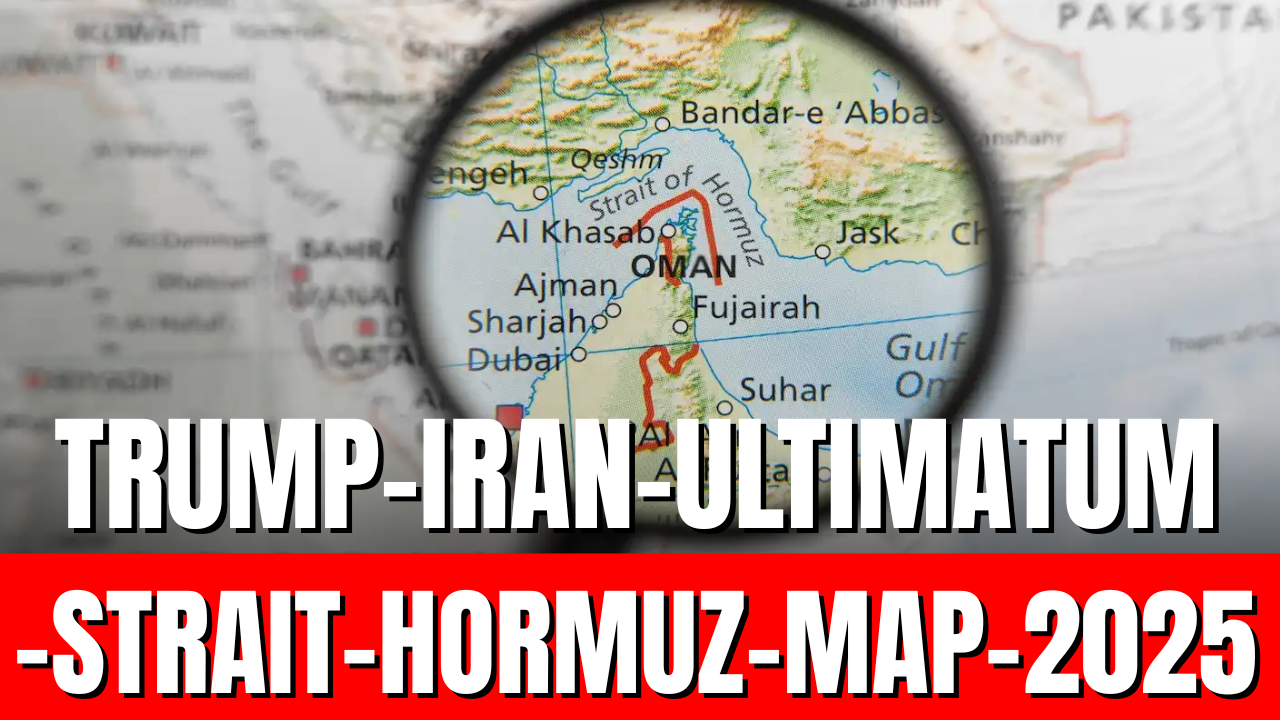
President Trump issues stern ultimatum to Iran over Strait of Hormuz threats. Get full details on demands, Iran’s response, and global oil market impact.
Table of Contents
Trump Gives Iran Ultimatum Over Strait of Hormuz: Full Details Revealed
President Donald Trump has issued a stark ultimatum to Iran over the Strait of Hormuz, warning of severe consequences if Tehran continues threatening international shipping through this critical waterway. This dramatic escalation marks a defining moment in US-Iran tensions under the current administration.
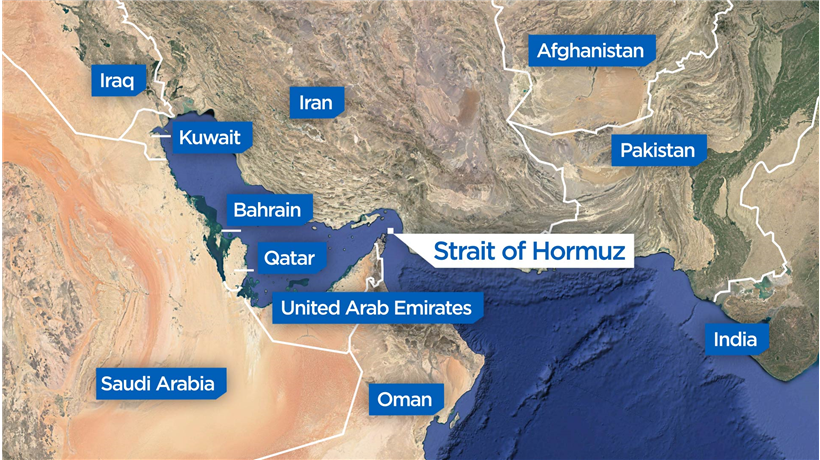
The Strait of Hormuz serves as the world’s most important oil chokepoint, handling approximately 20% of global petroleum trade daily. Any disruption could trigger worldwide economic shockwaves.
What Is Trump’s Ultimatum to Iran?
Key Demands Outlined
President Trump’s ultimatum includes several non-negotiable demands:
Primary Demands:
| Demand | Details |
|---|---|
| Stop Shipping Harassment | End all threats to commercial vessels |
| Remove Naval Vessels | Pull back military boats from shipping lanes |
| Cease Drone Activity | Stop surveillance near US assets |
| Nuclear Negotiations | Return to diplomatic table |
Trump Statement: “Iran must stop threatening the Strait of Hormuz immediately. If they don’t, they will face consequences like never before.”
Deadline and Consequences
Trump reportedly gave Iran a specific timeframe to comply, though exact details remain classified.
Potential Consequences Include:
- 🚫 Enhanced economic sanctions
- ⚓ Increased US Navy presence
- 🎯 Targeted military responses
- 💰 Complete oil export blockade
Why Is the Strait of Hormuz So Important?
Global Oil Chokepoint Statistics
The Strait of Hormuz represents the world’s most strategic maritime passage.
Critical Statistics:
| Metric | Data |
|---|---|
| Daily Oil Flow | 21 million barrels |
| Global Oil Trade Share | 20–25% |
| Width (Narrowest Point) | 21 miles |
| Countries Dependent | 30+ nations |
| LNG Trade Share | 25% of global supply |
Countries Most Affected
Any disruption would immediately impact:
- 🇨🇳 China (largest importer)
- 🇯🇵 Japan (heavy dependence)
- 🇮🇳 India (growing demand)
- 🇰🇷 South Korea (industrial needs)
- 🇪🇺 European Union (energy security)
Iran’s Response to Trump’s Ultimatum
Official Iranian Government Reaction
Tehran responded defiantly to Trump’s demands.
Iranian Foreign Ministry Statement:
“Iran will not bow to American pressure. The Strait of Hormuz is our territory, and we will defend our sovereign rights.”
Military Posture Changes
Reports indicate Iran has:
- Increased Revolutionary Guard naval patrols
- Deployed additional coastal missile systems
- Enhanced surveillance activities
- Mobilized fast-attack boat squadrons
US Military Presence in Persian Gulf
Current Naval Deployment
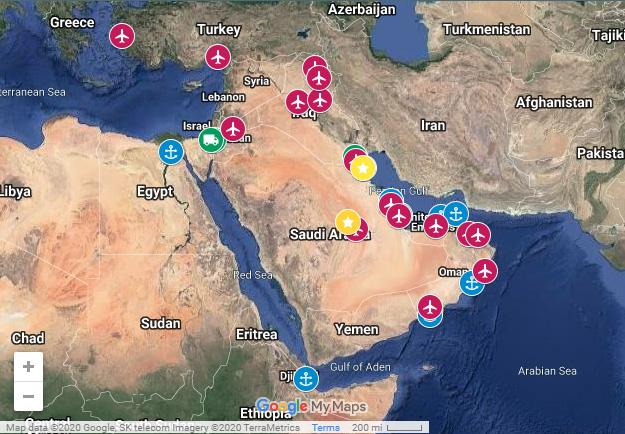
The United States maintains significant forces in the region.
US Assets Currently Deployed:
| Asset | Purpose |
|---|---|
| Aircraft Carrier Group | Air superiority and strike capability |
| Destroyer Squadron | Maritime security |
| Submarine Fleet | Deterrence operations |
| Marine Units | Rapid response capability |
| Air Force Bases | Regional support |
Allied Support
US allies have signaled support:
- 🇬🇧 United Kingdom: Naval cooperation
- 🇫🇷 France: Intelligence sharing
- 🇸🇦 Saudi Arabia: Base access
- 🇦🇪 UAE: Logistical support
Global Oil Market Impact
Immediate Price Reactions
Oil markets responded sharply to the ultimatum news.
| Indicator | Movement |
|---|---|
| Brent Crude | ↑ 4.2% |
| WTI Crude | ↑ 3.8% |
| Natural Gas | ↑ 2.5% |
| Shipping Stocks | ↓ 3.1% |
Economic Analyst Predictions
Experts warn of potential scenarios:
- Best Case: Diplomatic resolution, prices stabilize
- Moderate Case: Extended tensions, $10–15 oil premium
- Worst Case: Military conflict, oil exceeds $150/barrel
Historical Context: US-Iran Tensions
Timeline of Recent Events
| Year | Event |
|---|---|
| 2018 | US exits Iran nuclear deal |
| 2019 | Oil tanker attacks in Gulf |
| 2020 | Soleimani assassination |
| 2023 | Nuclear talks collapse |
| 2025 | Current ultimatum issued |
Previous Strait of Hormuz Incidents
Iran has previously threatened or disrupted shipping:
- Tanker seizures (2019)
- Drone shootdowns
- Mine deployments
- Naval harassment incidents
What Happens Next?
Possible Scenarios
Scenario 1: Diplomatic Resolution
- Back-channel negotiations succeed
- Iran makes concessions
- Sanctions relief offered
Scenario 2: Extended Standoff
- Neither side backs down
- Increased military posturing
- Economic pressure continues
Scenario 3: Military Escalation
- Limited strikes occur
- Regional conflict expands
- Global economic disruption
FAQs About Trump’s Iran Ultimatum
What is Trump demanding from Iran?
Trump demands Iran stop threatening ships in the Strait of Hormuz, remove military vessels from shipping lanes, cease drone surveillance, and return to nuclear negotiations.
Why is the Strait of Hormuz important?
The Strait handles 20–25% of global oil trade, approximately 21 million barrels daily. Any disruption would cause worldwide fuel shortages and economic chaos.
How has Iran responded to the ultimatum?
Iran rejected the demands, calling them interference in sovereign territory. Tehran increased military presence and vowed to defend its interests.
Will oil prices increase because of this tension?
Oil prices have already risen 3–4% following the announcement. Analysts predict further increases if tensions escalate or military action occurs.
Conclusion
President Trump’s ultimatum to Iran over the Strait of Hormuz represents a critical inflection point in Middle East geopolitics. With 20% of global oil flowing through this narrow waterway, the stakes couldn’t be higher.
The world watches as both nations calculate their next moves. Diplomatic resolution remains possible, but military preparations continue on both sides.
Stay updated as this developing story unfolds.
Share this article to spread awareness. Comment below with your thoughts on US-Iran relations.