
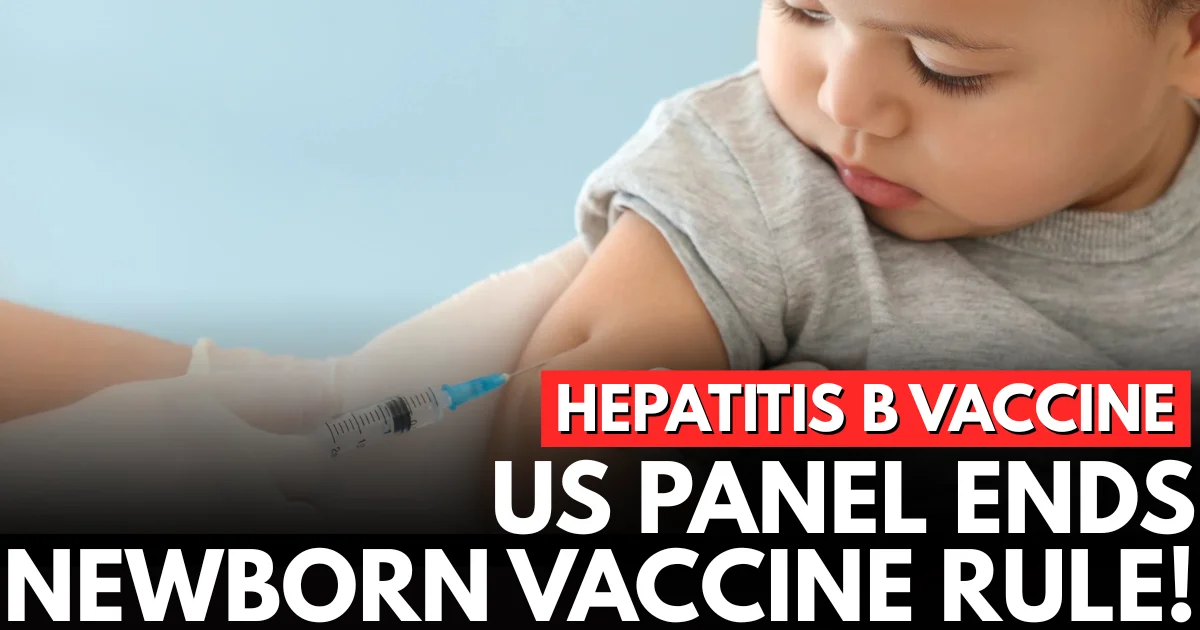
Federal advisors just voted to stop routine HBV shots at birth. What parents need to know about this controversial healthcare shift.
Table of Contents
The Shocking Vote That Just Changed Newborn Healthcare in America
A Decision That Stunned the Medical World
Imagine walking into a hospital to deliver your baby, expecting the same medical protocols your sister followed three years ago—only to discover the rules completely changed overnight.
That’s exactly what happened Friday when a federal health panel made a stunning 8-3 vote that erased 34 years of newborn healthcare practice. No more automatic hepatitis B shots in the delivery room for most American babies.
The fallout was immediate. Within hours, President Trump ordered a total review of every childhood vaccine on the calendar. One senator who helped confirm the Health Secretary called it “a mistake.” An entire state scrambled to issue emergency guidance protecting their newborns.
So what just happened—and what does it mean for your family?

The 34-Year Protection That Just Disappeared
What Your Parents Got That Your Baby Might Not
Since 1991, every baby born in America received a hepatitis B vaccination before leaving the hospital. Rain or shine. Rich or poor. Every single one.
The results? Remarkable.
| What We Prevented | The Numbers |
|---|---|
| Estimated deaths avoided | 90,000 lives saved |
| Years of protection | 34 consecutive years |
| Babies protected | Tens of millions |
| Cost to parents | Zero (covered universally) |
That era just ended.
Now, parents face a choice that didn’t exist last week: Should I vaccinate my newborn immediately, or wait until they’re at least two months old?
The People Behind This Earthquake
How Did We Get Here?
Here’s where things get interesting—and controversial.
Health Secretary Robert F. Kennedy Jr. didn’t just suggest changes. In June, he fired every single member of the vaccine advisory committee and installed an entirely new panel.
Their shared perspective? Deep skepticism about current vaccination practices.
Their Friday decision? Exactly what critics feared.
The Advisory Committee on Immunization Practices now says doctors and parents should decide individually whether newborns need immediate protection against a virus that can silently destroy livers for decades.
Three members voted no. Eight voted yes. And the medical establishment erupted.

The Doctor Who Saw It Coming
“We Will See More Children Infected”
Dr. Cody Meissner didn’t mince words before casting his losing vote.
He looked at the data showing safety. He reviewed the evidence proving effectiveness. He thought about the hepatitis B vaccine’s 34-year track record.
Then he warned his colleagues: Change this, and children will get sick.
Another committee member, Dr. Joseph Hibbeln, went further: The voting options presented were “incredibly problematic.”
Translation? They were being forced to choose between bad options, with no good outcome available.
Dr. Meissner had another description for what was happening: “baseless skepticism” overruling solid science.
What Trump Did Next
The Midnight Memo That Signals More Changes Ahead
Most presidential directives arrive through formal channels with bureaucratic language. Trump’s came fast and pointed.
His order to health officials: Compare America’s childhood vaccine schedule to every other developed nation. If they’re doing it better, copy them.
His observation: Many countries give kids fewer shots than we do.
His public reaction: He called Friday’s vote “very good” on social media.
The message couldn’t be clearer. This isn’t the end of vaccine policy changes. It’s the beginning.
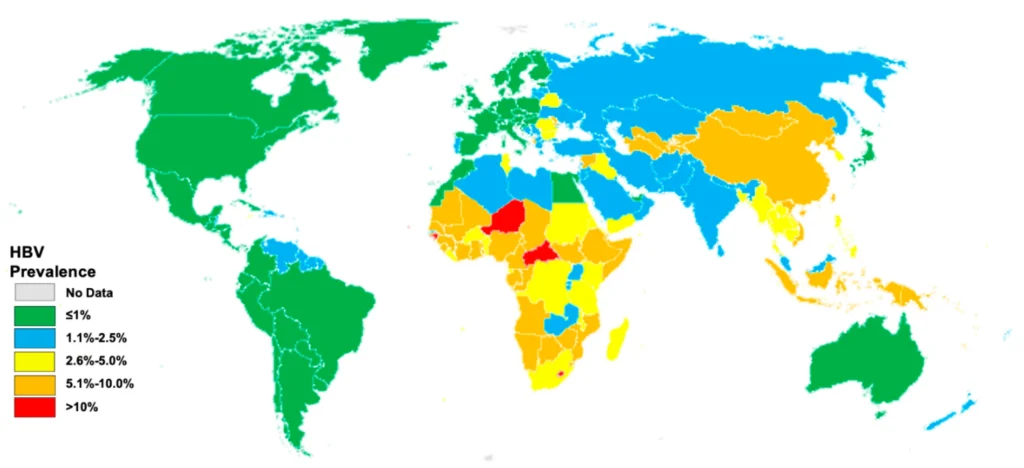
The Global Picture Nobody’s Talking About
How Other Countries Handle This Differently
Here’s what makes this debate so complicated—there’s no universal global standard:
| Who Recommends It | When They Give Shots | Birth Dose? |
|---|---|---|
| World Health Organization | At birth, 1 month, 6 months | YES |
| United Kingdom | 8 weeks, 12 weeks, 16 weeks | NO* |
| United States (old) | At birth, 1-2 months, 6 months | YES |
| United States (new) | Parent decides, minimum 2 months | NO* |
*Unless mother tests positive
Committee member Retsef Levi used these differences to argue America was “misaligned” with the world.
But which approach is actually right? That’s the multi-billion-dollar question.
The Danger Hiding in Plain Sight
Why This Virus Terrifies Liver Doctors
Senator Bill Cassidy isn’t just a politician. He’s a liver specialist who’s spent decades watching what hepatitis B does to patients.
His reaction to Friday’s vote? Blunt and angry.
“This change to the vaccine schedule is a mistake,” he declared publicly—despite having cast the deciding vote to confirm Kennedy as Health Secretary.
Why the alarm? Because hepatitis B doesn’t play fair.
It spreads through obvious routes like sex and needle-sharing. Kennedy and allies focus on these transmission methods, arguing newborns face minimal risk.
But here’s what keeps doctors awake at night: the virus also spreads through toothbrushes, razors, and other shared household items that infected people touch.
Worse, many carriers show zero symptoms. They have no idea they’re contagious while caring for babies.
The Testing Problem Everyone’s Ignoring
When Negative Results Don’t Mean Safe
The new policy assumes something critical: Every pregnant mother gets accurate hepatitis B testing.
Reality looks messier:
Access gaps: Not every woman receives consistent prenatal care with comprehensive testing
False negatives: Tests sometimes miss actual infections, especially early-stage ones
Late infections: Women can contract the virus after their pregnancy test
Documentation failures: Some deliveries happen without complete medical records available
Each scenario creates a newborn who appears low-risk on paper but faces actual danger.
Under the old universal vaccination approach, these gaps didn’t matter. Every baby got protected regardless.
Now? Those babies slip through the cracks.
When States Fight Back
Maryland’s Same-Day Rebellion
Maryland health officials didn’t wait for dust to settle.
Friday afternoon—the same day as the federal vote—the state issued emergency guidance: Keep vaccinating newborns at birth.
Their reasoning: The American Academy of Pediatrics still recommends it. Maryland will follow pediatricians, not politicians.
Their promise: Whatever it takes, Maryland babies will have access to birth-dose vaccination.
Watch for other states to follow. This could become a patchwork situation where your baby’s protection depends on your zip code.

What This Means for Your Family
The Questions Parents Are Asking Right Now
“Can You Still Get the Birth Shot?!”
Absolutely. The vote changed recommendations, not permissions. Tell your doctor you want the shot.
“Will insurance still pay for it?”
Yes. Coverage hasn’t changed—only the automatic hospital protocol.
“What if my baby was born to a hepatitis B positive mother?”
No change here. Birth-dose vaccination remains strongly recommended and will continue as standard practice.
“Should I wait until two months like the new guidance suggests?”
That’s between you and your pediatrician. Get informed, ask questions, make the choice that gives you peace of mind.
The Bigger Battle This Reveals
Why Vaccine Debates Keep Getting Hotter
This isn’t really about one shot for one virus.
It’s about competing visions of public health in America:
Traditional approach: Universal programs protect everyone equally, including those who slip through testing gaps
Emerging approach: Individual families make personal medical decisions with their doctors
Both sides claim they’re protecting children. Both cite evidence. Both question the other’s motives.
The result? Parents caught in the middle, trying to make life-and-death decisions amid information warfare.
What Happens Next
The Review That Could Change Everything
Trump’s directive for comprehensive childhood vaccine review isn’t symbolic. It’s operational.
Health officials now have orders to scrutinize every single recommended childhood immunization against international standards.
If they find other countries using fewer vaccines with equal or better outcomes, expect more changes.
Friday’s hepatitis B decision might be just the opening act.

Click Here – Trump Hosts DR Congo-Rwanda Peace Deal Signing 2025
FAQs: Your Burning Questions Answered
What exactly changed about newborn hepatitis B shots?
They’re no longer automatically recommended for babies born to uninfected mothers. Instead, parents and doctors decide individually. If delayed, shots shouldn’t happen before two months of age. Babies born to infected mothers still get immediate vaccination.
Who made this decision and why does it matter?
The Advisory Committee on Immunization Practices votes on vaccine recommendations that the CDC typically adopts as national policy. Health Secretary Kennedy replaced all members in June with vaccine-skeptical appointees. Their recommendations shape what doctors do nationwide.
Can this decision be reversed?
Yes. The CDC director can reject the recommendation, though that’s rare. Future committee votes could restore universal birth-dose guidance. States can also maintain their own stricter standards regardless of federal recommendations.
What did doctors say about the safety of waiting?
Multiple committee doctors who voted against the change warned it will increase infections. Dr. Cody Meissner specifically predicted “more children and adolescents and adults infected with hepatitis B” as a result.
How does the US compare to other countries now?
We’ve moved closer to the UK model (no universal birth dose) and away from WHO recommendations (birth dose for everyone). Different developed nations use different schedules, which supporters cite as justification and critics see as cherry-picking.
The Bottom Line
A three-decade healthcare consensus just shattered in a single Friday afternoon vote.
Whether you see this as dangerous ideology trumping science or as overdue alignment with global practices depends largely on who you trust and what evidence you find compelling.
What’s undeniable: American parents now face decisions about newborn hepatitis B protection that previous generations never had to make.
Get informed. Talk to your pediatrician. Understand the risks and benefits on both sides.
Then make the choice that lets you sleep at night.
What would you do? Share your thoughts below—and subscribe for updates as this vaccine policy story continues developing.