
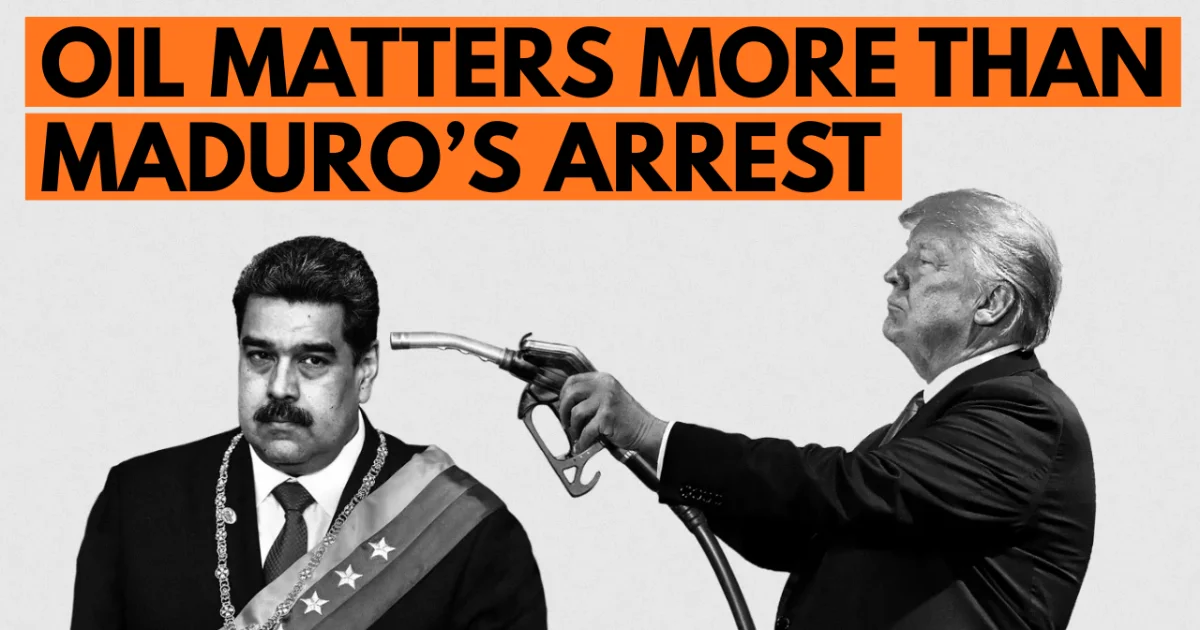
Breaking details emerge about Maduro’s reported capture and alleged US strategy for Venezuela. Discover what Americans need to know about this developing situation.
Table of Contents
Inside the Dramatic Developments Surrounding Maduro and America’s Venezuela Strategy
Stunning reports about Venezuelan President Nicolás Maduro’s capture have triggered intense speculation about Washington’s role in reshaping the troubled South American nation.
The situation remains fluid as details continue emerging from multiple sources. American officials have made bold statements about future plans for Venezuela. These developments mark a potentially historic turning point in US-Latin America relations.
Here’s everything we currently know about this rapidly evolving situation.
The Capture Reports Explained
Reports regarding Maduro’s capture have generated global headlines. Understanding what’s confirmed versus speculated matters greatly.
Venezuelan opposition sources and international media outlets have reported dramatic developments. The exact circumstances remain subject to ongoing verification.
What’s Being Reported:
- Maduro allegedly detained or captured
- Opposition forces claiming momentum
- Government communications disrupted
- International monitoring intensifying
American intelligence agencies are closely tracking developments. Official confirmations remain carefully worded as the situation evolves.
US Involvement Comes Into Focus
Washington’s role in Venezuelan affairs has drawn significant attention. American officials have made surprisingly direct statements about future intentions.
The phrase “run Venezuela” has sparked controversy and debate. Critics question American interventionism while supporters cite humanitarian concerns.
Reported US Objectives:
| Goal | Stated Purpose |
|---|---|
| Democratic transition | Restore fair elections |
| Economic stabilization | Address humanitarian crisis |
| Regional security | Counter external influence |
| Energy market stability | Secure oil production |
These objectives align with longstanding American policy positions regarding Venezuela. However, the directness of recent statements represents notable escalation.
Timeline of Recent Events
Understanding how we reached this moment requires examining recent developments. The situation accelerated rapidly.
Recent Developments:
- Disputed elections triggered protests
- Opposition leaders gained momentum
- International pressure intensified
- Sanctions tightened on regime
- Military loyalties reportedly shifting
- Current dramatic developments unfolding
Each step built toward the current situation. Observers note that momentum shifted noticeably in recent weeks.
Who Are the Key Players?
Multiple figures feature prominently in this developing story. Americans should know these names.
Nicolás Maduro
Venezuela’s controversial leader since 2013. He succeeded Hugo Chávez and maintained power despite disputed elections, economic collapse, and international isolation.
His government faced accusations of:
- Electoral fraud
- Human rights violations
- Economic mismanagement
- Democratic suppression
Opposition Leadership
Venezuelan opposition figures have long challenged Maduro’s legitimacy. Several leaders gained international recognition as legitimate representatives.
Their movement gained strength following disputed electoral results. International backing emboldened their efforts.
American Officials
Trump administration officials have taken aggressive stances on Venezuela. Their statements about future plans generated significant attention.
Washington views Venezuela through multiple lenses including democracy promotion, regional stability, and energy security.
Why Venezuela Matters to Americans
Some Americans question why Venezuelan developments warrant attention. Several factors make this situation significant.
Strategic Importance:
- Largest proven oil reserves globally
- Geographic proximity to United States
- Migration impact on American borders
- Russian and Chinese influence concerns
- Regional stability implications
Economic Connections:
| Factor | American Impact |
|---|---|
| Oil markets | Gas price fluctuations |
| Trade relationships | Commerce opportunities |
| Migration patterns | Border community effects |
| Investment opportunities | Economic engagement |
Venezuela’s trajectory affects American interests directly and indirectly.
The “Run Venezuela” Controversy
American officials’ statements about running Venezuela sparked immediate reaction. The phrasing raised eyebrows internationally.
Supporters argue:
- Humanitarian crisis demands intervention
- Democratic restoration justifies involvement
- Regional stability requires American leadership
- Venezuelan people deserve support
Critics contend:
- Sovereignty concerns paramount
- Interventionism historically problematic
- Self-determination must guide transitions
- American motives questioned
This debate reflects broader tensions about American foreign policy approaches. Venezuela becomes a test case for these competing philosophies.
International Reactions Pouring In
Global responses to these developments vary significantly. Different nations view the situation through distinct lenses.
Allied Perspectives:
Many Western democracies have supported Venezuelan opposition. They view democratic transition favorably and have coordinated sanctions against Maduro’s government.
Critical Voices:
Russia and China have historically backed Maduro. They express concern about American intervention and sovereignty violations.
Regional Responses:
Latin American nations hold divided opinions. Some support democratic transition while others worry about precedent-setting interventionism.
Historical Context Matters
Current events don’t exist in vacuum. Understanding US-Venezuela history provides important perspective.
Relationship Evolution:
- Pre-Chávez: Generally cooperative relations
- Chávez Era: Tensions increased dramatically
- Maduro Period: Relations collapsed entirely
- Recent Years: Maximum pressure campaign
- Current: Potentially transformative moment
This trajectory explains why current developments carry such significance. Decades of tension may reach resolution point.
What Happens Next
Predicting outcomes remains challenging given fluid circumstances. However, several scenarios seem possible.
Potential Pathways:
- Negotiated Transition: Peaceful power transfer arrangement
- Opposition Takeover: New government assumes control
- Continued Uncertainty: Prolonged instability period
- International Mediation: External parties broker solution
Each scenario carries different implications for Venezuelans and Americans alike. Coming days and weeks will prove decisive.
Humanitarian Considerations
Beyond politics, humanitarian concerns demand attention. Venezuelan people have suffered enormously.
Crisis Statistics:
- Millions fled the country
- Severe food and medicine shortages
- Healthcare system collapsed
- Economic devastation widespread
- Children particularly vulnerable
Any transition must address these humanitarian realities. Political change means little without improved living conditions.
Energy Market Implications
Venezuela’s massive oil reserves make energy markets relevant to this discussion. American consumers could feel effects.
Oil Market Factors:
| Consideration | Potential Impact |
|---|---|
| Production resumption | Increased global supply |
| Investment return | Major company involvement |
| Price effects | Potential stabilization |
| Energy security | Reduced dependence elsewhere |
Energy analysts are watching developments closely. Venezuela’s return to full production could reshape markets significantly.
What Americans Should Watch
As this situation develops, several indicators will prove telling. Informed citizens should monitor specific developments.
Key Indicators:
- Official US government statements
- Venezuelan military positioning
- International recognition decisions
- Humanitarian corridor establishment
- Election timeline announcements
These signposts will reveal whether dramatic transformation occurs or situation remains contested.
FAQs
What happened to Venezuelan President Maduro?
Reports indicate Maduro has been captured or detained, though exact circumstances remain subject to verification. The situation continues developing with details emerging from multiple sources.
What does the US plan to do with Venezuela?
American officials have stated intentions to help “run” Venezuela during a transition period. This reportedly includes supporting democratic elections, economic stabilization, and humanitarian relief efforts.
Why is the US involved in Venezuela?
American involvement stems from multiple concerns including regional stability, humanitarian crisis, democratic principles, energy security, and countering Russian and Chinese influence in the Western Hemisphere.
How will Venezuela developments affect American gas prices?
Venezuela holds the world’s largest proven oil reserves. Restored production could increase global supply and potentially stabilize or reduce fuel prices for American consumers over time.
What happens to Venezuelan refugees if the government changes?
A democratic transition could encourage some refugees to return home. However, humanitarian conditions must improve substantially before large-scale returns become feasible for displaced Venezuelans.
Conclusion
The situation surrounding Maduro’s reported capture and American plans for Venezuela remains fluid and consequential. These developments could reshape Latin American politics for generations.
Americans should stay informed as this historic situation unfolds. The coming weeks will prove critical for Venezuela’s future.
What are your thoughts on US involvement in Venezuela? Share your perspective in the comments below.