
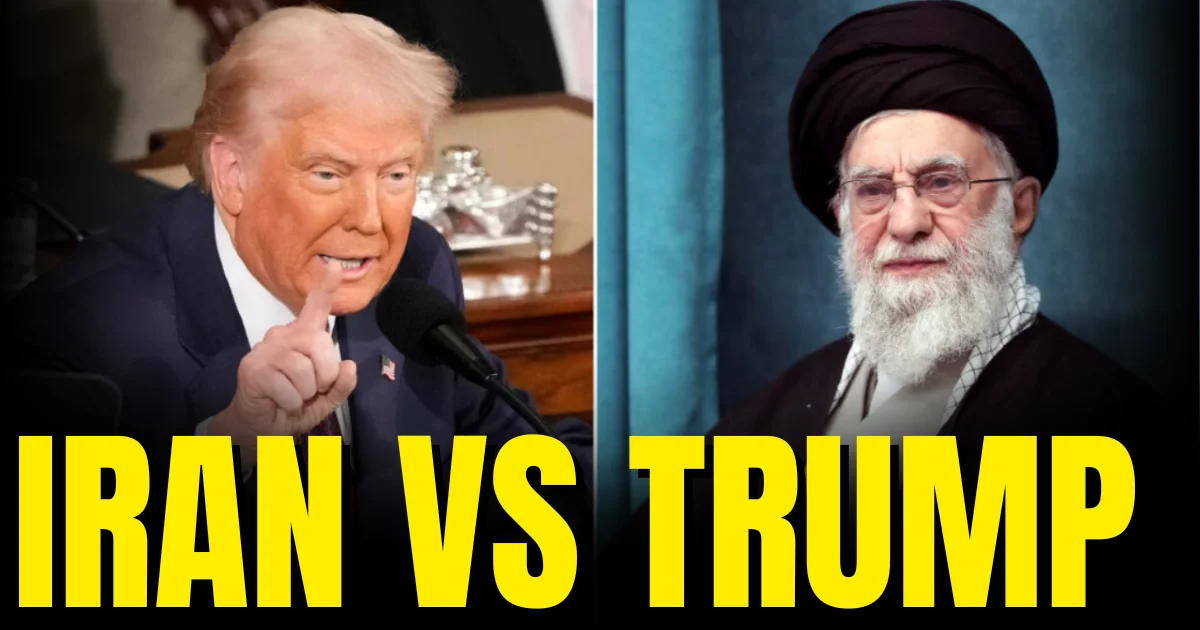
Iran’s foreign minister slams Trump’s warning about protests as reckless and dangerous. Discover the escalating US-Iran tensions and what it means for Americans.
Table of Contents
Iran Fires Back at Trump Warning on Protests Calling American Rhetoric Dangerous and Reckless
Tehran has unleashed a sharp diplomatic rebuke against President Trump after his pointed warnings regarding Iranian protests, with the foreign minister labeling American statements as reckless interference.
The war of words between Washington and Tehran intensified dramatically following the exchange. Iran’s top diplomat didn’t hold back criticism of American involvement in the nation’s internal affairs.
This confrontation carries significant implications for Middle East stability and American foreign policy.
What Trump Said About Iran Protests
President Trump issued direct warnings regarding ongoing protest activity within Iran. His statements addressed both protesters and Iranian government officials.
The President’s message carried implicit and explicit warnings about consequences. Such direct presidential commentary on another nation’s internal unrest is notably provocative.
Key Elements of Trump’s Warning:
- Support for Iranian protesters expressed
- Consequences for government crackdown implied
- American watching closely emphasized
- Regime behavior being monitored
- Future actions potentially forthcoming
These statements immediately triggered Iranian government response. The diplomatic temperature rose significantly within hours.
Foreign Minister’s Sharp Response
Iran’s foreign minister wasted no time firing back. His characterization of Trump’s warning as “reckless” dominated international headlines.
The minister accused Washington of dangerous interference. He suggested American statements could inflame situations rather than help ordinary Iranians.
Foreign Minister’s Key Points:
| Accusation | Explanation |
|---|---|
| Reckless behavior | Endangers regional stability |
| Interference | Violates sovereignty principles |
| Hypocrisy | US has own protest issues |
| Destabilization | Comments worsen situations |
| Provocation | Intentionally inflammatory |
The diplomatic language was notably harsh even by US-Iran standards. This exchange represents significant escalation in rhetoric.
Context of Iranian Protests
Understanding current Iranian protests provides important background. Multiple factors drive domestic unrest within Iran.
Protest Drivers:
- Economic hardship from sanctions
- Currency collapse affecting families
- Unemployment reaching crisis levels
- Political freedom restrictions
- Social policy disagreements
- Government corruption concerns
These protests reflect genuine domestic grievances. However, American commentary complicates the situation diplomatically.
History of US-Iran Tensions
Current confrontation exists within decades-long hostile relationship. Understanding this history matters for context.
Relationship Timeline:
| Era | Status |
|---|---|
| Pre-1979 | Allied relationship |
| 1979 Revolution | Complete rupture |
| Hostage Crisis | Diplomatic severing |
| 1980s-2000s | Continued hostility |
| 2015 Nuclear Deal | Brief thaw |
| 2018 Deal Exit | Renewed tensions |
| Present | Maximum pressure continued |
This historical context explains why both nations respond so sharply to perceived provocations.
Why Iran Calls Trump Reckless
The “reckless” characterization carries specific meaning. Iranian officials chose this word deliberately.
Iranian Perspective:
- American statements embolden violence
- Protesters may take dangerous risks
- Government crackdown becomes likelier
- International mediation complicated
- Regional tensions unnecessarily heightened
Whether one agrees with Iran’s characterization, understanding their viewpoint illuminates the diplomatic dynamic.
American Perspective on Protests
Washington views Iranian protests through different lens. American officials emphasize different priorities.
US Viewpoint:
- Iranian people deserve freedom
- Government oppression unacceptable
- American support morally correct
- Silence enables abuse
- Democratic values require speaking out
This philosophical divide explains the persistent communication gap between nations.
Regional Implications
US-Iran verbal confrontation affects the entire Middle East. Neighboring nations watch nervously.
Regional Concerns:
- Gulf states monitor escalation
- Israel tracks developments closely
- Iraq caught between powers
- Oil shipping routes potentially affected
- Proxy conflict possibilities
The ripple effects extend far beyond bilateral US-Iran relations. Regional stability hangs partially on this dynamic.
Oil Market Reactions
Energy markets respond to US-Iran tensions predictably. Traders factor geopolitical risk into prices.
Market Implications:
| Factor | Potential Effect |
|---|---|
| Tension escalation | Price increases |
| Shipping concerns | Supply worries |
| Sanctions enforcement | Production limits |
| Conflict possibility | Risk premiums |
American consumers feel these dynamics at gas pumps. Middle East stability directly affects fuel costs.
Expert Analysis on the Exchange
Foreign policy analysts offered perspectives on this diplomatic confrontation. Their assessments vary in interpretation.
Analyst Observations:
Some experts view Trump’s warnings as appropriate human rights advocacy. They argue American presidents should support freedom movements.
Others suggest such statements complicate situations without helping protesters. They argue quiet diplomacy serves better than public confrontation.
Still others focus on domestic political dimensions. Both American and Iranian leaders may benefit politically from appearing tough.
What Happens Next
Predicting trajectory requires monitoring several factors. The situation remains fluid and potentially volatile.
Key Indicators:
- Additional statements from either side
- Protest developments within Iran
- International community responses
- Sanctions enforcement actions
- Military positioning changes
These signposts will reveal whether rhetoric escalates further or tensions stabilize.
Congressional Reactions
American lawmakers responded to the exchange with varied perspectives. Partisan divisions shaped many reactions.
Capitol Hill Responses:
- Republicans largely supported Trump’s statements
- Democrats expressed mixed reactions
- Bipartisan concern about escalation exists
- Oversight questions emerging
- Policy debate intensifying
Congress may seek additional briefings on Iran policy direction following this exchange.
Impact on American Interests
Ordinary Americans may wonder how this affects them. Several implications deserve consideration.
Domestic Implications:
- Gas prices potentially affected
- Military posture questions raised
- Diplomatic resources consumed
- Regional stability concerns
- Long-term relationship trajectory
These consequences extend beyond abstract foreign policy into tangible daily life impacts.
International Community Response
Other nations weighed in on the US-Iran exchange. Global reactions reflected diverse perspectives.
International Perspectives:
- European allies urged restraint
- Russia supported Iranian criticism
- China emphasized non-interference
- Regional nations cautiously watched
- UN officials called for dialogue
This global context shapes how the confrontation may evolve going forward.
Diplomatic Options Remaining
Despite harsh rhetoric, diplomatic pathways exist. Both nations retain options beyond confrontation.
Possible Approaches:
- Back-channel communications
- Third-party mediation offers
- Mutual de-escalation signals
- International forum discussions
- Incremental confidence building
Whether either nation pursues these options remains uncertain. Current rhetoric suggests neither prioritizes de-escalation immediately.
FAQs
What did Iran’s foreign minister say about Trump’s warning?
Iran’s foreign minister called President Trump’s warning about Iranian protests “reckless.” He accused the United States of dangerous interference in Iran’s internal affairs and suggested American statements worsen situations.
What warning did Trump issue about Iran protests?
President Trump issued statements expressing support for Iranian protesters while warning the Iranian government about consequences for crackdowns. His comments directly addressed ongoing domestic unrest within Iran.
Why does Iran consider Trump’s statements reckless?
Iran argues American presidential commentary emboldens dangerous behavior, complicates international mediation, and violates sovereignty principles. Tehran views such statements as intentional provocation rather than genuine human rights concern.
How do US-Iran tensions affect American gas prices?
Middle East tensions including US-Iran confrontations create oil market uncertainty. Traders add risk premiums to prices when conflict possibilities increase, potentially raising costs for American consumers at gas pumps.
What is the history behind US-Iran tensions?
US-Iran hostility dates to the 1979 Islamic Revolution and subsequent hostage crisis. Relations have remained antagonistic for over four decades despite brief diplomatic thaws during nuclear agreement negotiations.
Conclusion
The exchange between Trump and Iran’s foreign minister demonstrates the persistent hostility defining US-Iran relations. Tehran’s “reckless” characterization signals no diplomatic breakthrough looms near.
Americans should monitor this situation given its implications for regional stability and energy markets. The war of words could evolve in unpredictable directions.
What are your thoughts on US-Iran diplomatic tensions? Share your perspective in the comments below.