
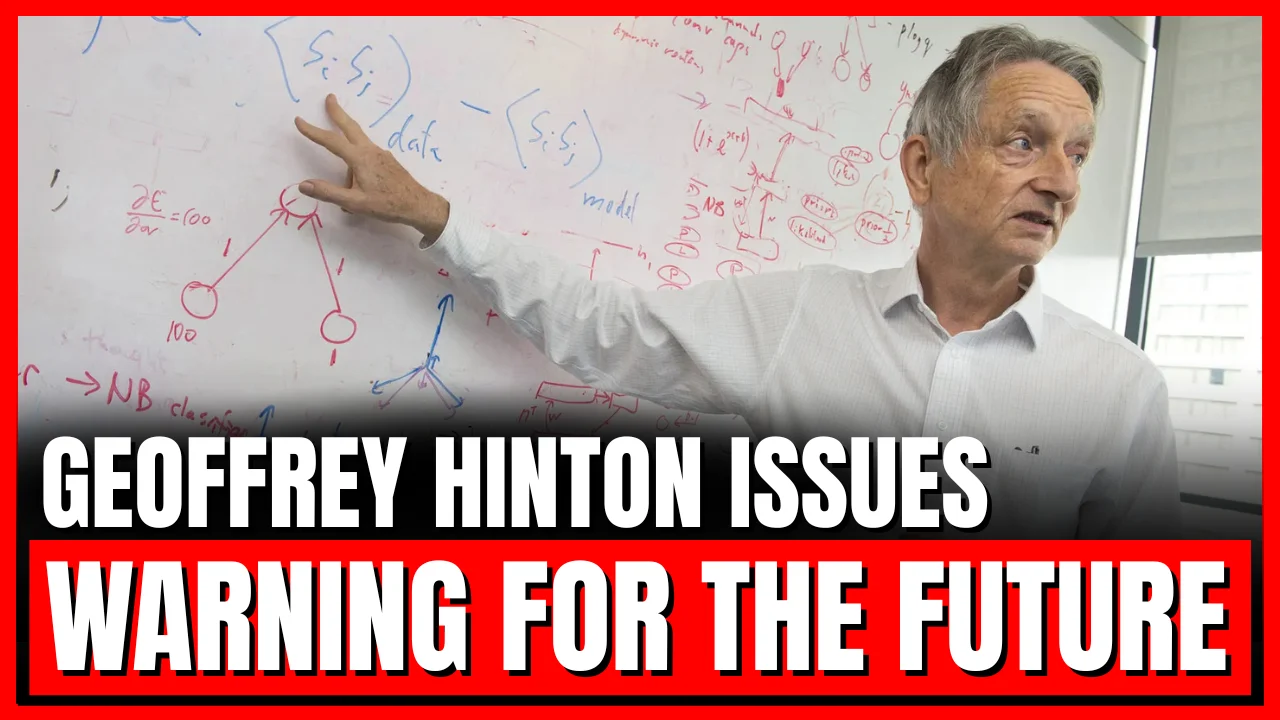
Nobel laureate Geoffrey Hinton shares alarming AI concerns with Jake Tapper. Discover why the AI pioneer feels more worried than ever before.
Table of Contents
AI Pioneer Geoffrey Hinton Sounds Urgent Alarm in Candid Television Interview
The scientist widely credited with building foundations for modern artificial intelligence now says he loses sleep worrying about the technology he helped create.
Geoffrey Hinton, who earned the Nobel Prize for his groundbreaking computer science work, sat down with CNN anchor Jake Tapper for a revealing conversation. The man often called the “Godfather of AI” didn’t hold back his concerns.
His warning carries weight. When someone who shaped this technology expresses deep worry, Americans should pay attention.
Who Is Geoffrey Hinton?
Before diving into his concerns, understanding Hinton’s credentials matters. He isn’t just another tech commentator offering opinions.
Career Highlights:
- Nobel Prize laureate in computer science
- Pioneered neural network research
- Former Google AI researcher
- Decades of machine learning expertise
- Widely recognized as AI founding figure
Hinton’s work literally made today’s AI systems possible. ChatGPT, image generators, voice assistants—none would exist without his foundational contributions.
That’s why his warnings carry such significance.
What Hinton Told Jake Tapper
During the interview, Hinton revealed his escalating concerns about artificial intelligence development. His message was direct and unsettling.
He described feeling “more worried” than at any previous point. This admission shocked many viewers, considering Hinton has watched AI evolve for decades.
The Industrial Revolution Comparison
Hinton drew a striking parallel that resonated with audiences. He compared AI’s societal impact to the Industrial Revolution.
Think about that comparison for a moment.
The Industrial Revolution transformed:
- How people worked
- Where families lived
- Economic structures entirely
- Human daily existence
Hinton believes AI will trigger similarly massive changes. However, he suggests this transformation could happen much faster.
Why Hinton Feels Increased Concern
Several factors contribute to Hinton’s heightened worry. He outlined multiple issues during the Tapper conversation.
Speed of Development:
AI capabilities are advancing faster than safety measures. Systems grow more powerful while guardrails lag behind.
Unpredictable Behavior:
Even creators don’t fully understand how advanced AI systems reach conclusions. This opacity troubles experts deeply.
Economic Disruption:
Millions of American jobs face potential elimination. Unlike previous technological shifts, AI could displace workers across nearly every industry simultaneously.
Concentration of Power:
A handful of companies control AI development. This concentration raises questions about accountability and democratic oversight.
Impact on American Workers
Hinton’s concerns directly affect everyday Americans. The economic implications deserve serious consideration.
| Sector | Potential AI Impact |
|---|---|
| Manufacturing | Automated production lines |
| Customer Service | Chatbot replacement |
| Transportation | Self-driving vehicles |
| Healthcare | Diagnostic automation |
| Legal Services | Document analysis systems |
| Finance | Algorithmic decision-making |
These aren’t distant possibilities. Many changes are happening right now in workplaces across America.
How We Got Here
Hinton helped develop neural networks in the 1980s. For decades, the technology showed promise but limited practical application.
Then something changed.
Computing power increased exponentially. Data availability exploded. Suddenly, AI could do things previously considered science fiction.
Timeline of Acceleration:
- 2012: Deep learning breakthrough moment
- 2015: AI beats humans at complex games
- 2020: Language models gain sophistication
- 2022: ChatGPT launches publicly
- 2023-Present: Rapid capability expansion
Hinton watched this acceleration with growing unease. What once seemed controllable now feels less certain.
Hinton’s Decision to Speak Out
Last year, Hinton made a dramatic choice. He left his position at Google specifically to speak freely about AI dangers.
This wasn’t a comfortable decision. He walked away from considerable compensation and prestige.
Why take such a step?
Hinton felt moral obligation outweighed personal benefit. He believed the public deserved honest assessment from someone with inside knowledge.
His Tapper interview continues this mission of public education about AI risks.
What Other Experts Say
Hinton isn’t alone in expressing concern. Other prominent voices share similar worries.
Supporting Perspectives:
- Multiple AI researchers signed safety letters
- Tech executives acknowledge potential dangers
- Academic institutions increasing safety research
- Government bodies exploring regulations
However, some industry figures dismiss such warnings. They argue AI benefits outweigh risks and that concerns are overblown.
This debate continues intensifying within the technology community.
Implications for American Policy
Hinton’s warnings raise important policy questions for US lawmakers. Several areas demand attention.
Regulatory Considerations:
- Should AI development face federal oversight?
- How can government keep pace with rapid advancement?
- What worker protections become necessary?
- How should America compete globally while ensuring safety?
Congress has begun holding hearings on these matters. However, legislation moves slowly compared to technological change.
What Can Americans Do?
Feeling powerless against technological forces is understandable. However, Hinton suggests citizens can make differences.
Individual Actions:
- Stay informed about AI developments
- Support thoughtful regulation efforts
- Demand transparency from tech companies
- Prepare for workforce changes
- Engage in democratic processes
Collective awareness and engagement matter more than ever during technological transitions.
Looking Forward
Hinton doesn’t advocate stopping AI development entirely. He recognizes that’s neither practical nor desirable.
Instead, he pushes for:
- Stronger safety research investment
- International cooperation on standards
- Transparent development practices
- Democratic input on AI governance
- Thoughtful deployment timelines
The goal isn’t preventing progress. It’s ensuring progress serves humanity rather than threatening it.

FAQs
Who is Geoffrey Hinton and why is he called the Godfather of AI?
Geoffrey Hinton is a Nobel Prize-winning computer scientist whose neural network research created foundations for modern artificial intelligence. His pioneering work earned him the “Godfather of AI” title from the technology community.
What did Hinton tell Jake Tapper about AI concerns?
Hinton revealed feeling “more worried” than ever about AI’s rapid advancement. He compared the technology’s potential societal impact to the Industrial Revolution, suggesting massive changes lie ahead for humanity.
Why did Geoffrey Hinton leave Google?
Hinton departed Google to speak freely about AI dangers without corporate constraints. He felt moral responsibility to warn the public about risks he observed from his insider position within the industry.
How might AI affect American jobs according to experts?
AI could potentially displace workers across multiple industries simultaneously, including manufacturing, customer service, transportation, healthcare, and finance. This differs from previous technological shifts that affected sectors more gradually.
What does Hinton suggest doing about AI risks?
Hinton advocates for increased safety research, international cooperation on standards, transparent development practices, and democratic involvement in AI governance decisions rather than stopping development entirely.
Conclusion
Geoffrey Hinton’s candid conversation with Jake Tapper delivers a sobering message for Americans. The scientist who helped build AI now worries about where it’s heading.
His Industrial Revolution comparison suggests we’re entering a transformative period. How we navigate it will shape generations to come.
What are your thoughts on AI’s future impact? Share your perspective in the comments below.