
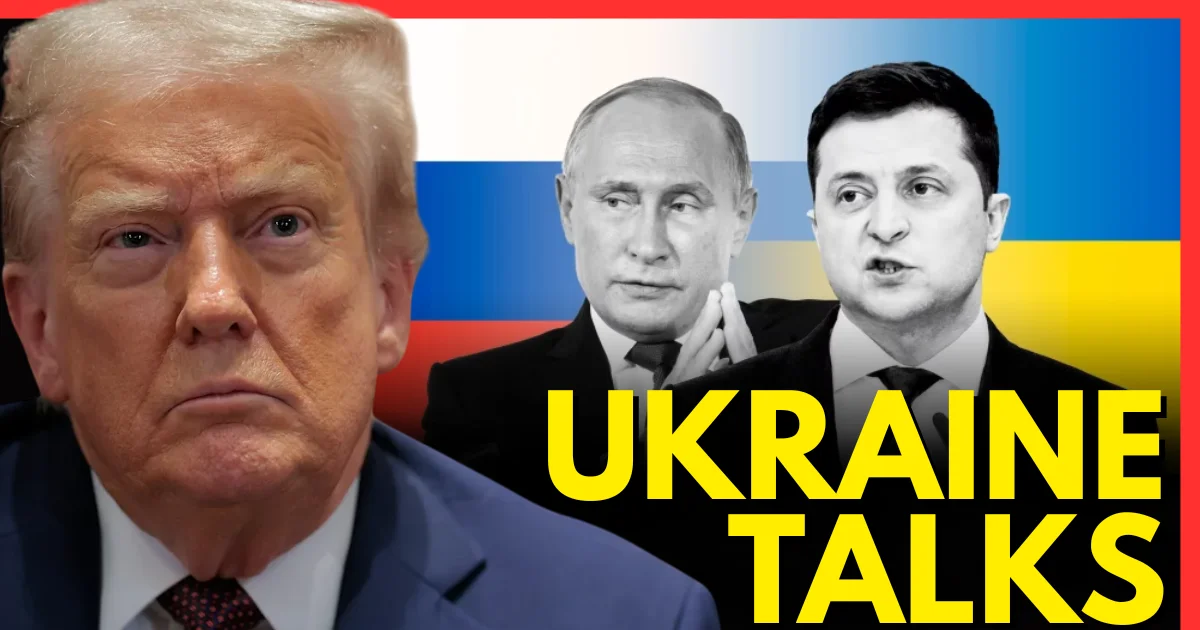
National security analyst Dr. Rebecca Grant discusses Russia-Ukraine peace talks and US pursuit of Venezuelan oil tanker. Get expert analysis on both developing stories.
Table of Contents
National Security Analyst Dr. Rebecca Grant Discusses Ukraine Peace Talks and Venezuelan Oil Tanker Pursuit
National security and military analyst Dr. Rebecca Grant provided expert analysis on two significant developing stories: the current state of Russia-Ukraine peace negotiations and the United States’ pursuit of an alleged Venezuelan oil tanker. Her insights illuminate the complex diplomatic and enforcement challenges facing American foreign policy on multiple fronts simultaneously.
Expert Analysis on Global Hotspots
Dr. Rebecca Grant brought her extensive national security expertise to analysis of two distinct but significant international situations. Her perspective helps contextualize complex developments.
The Ukraine peace talks represent ongoing diplomatic efforts to resolve Europe’s largest conflict since World War II. Meanwhile, the Venezuelan tanker pursuit reflects continued sanctions enforcement in the Western Hemisphere.
Both situations carry implications for American strategic interests and international order.
State of Russia-Ukraine Peace Talks
Dr. Grant assessed the current condition of peace negotiations between Russia and Ukraine. The diplomatic efforts have proceeded through various phases with mixed progress.
Peace talks assessment:
| Factor | Status |
|---|---|
| Negotiation activity | Ongoing but challenging |
| Key obstacles | Territorial and security issues |
| International involvement | Multiple parties engaged |
| Progress level | Incremental at best |
| Outlook | Uncertain path forward |
The talks face fundamental disagreements about territorial control, security guarantees, and post-conflict arrangements. Neither side has shown willingness to make concessions the other demands.
Dr. Grant’s analysis addressed what realistic expectations should be for diplomatic progress.
Obstacles to Peace
Dr. Grant outlined the major obstacles preventing breakthrough in negotiations. These challenges have proven resistant to diplomatic efforts thus far.
Key obstacles identified:
- Territorial disputes — Control of occupied regions contested
- Security guarantees — Ukraine’s future alignment unresolved
- Trust deficits — Previous agreements violated
- Domestic politics — Leaders constrained by public opinion
- War crimes accountability — Justice demands complicating talks
- Reconstruction costs — Who pays for massive damage
Each obstacle presents its own complexity. Resolution of one issue often depends on progress on others, creating interconnected challenges.
Dr. Grant emphasized that peace agreements require both sides seeing benefit, a condition not yet achieved.
US Role in Ukraine Negotiations
The United States plays a significant role in Ukraine peace efforts. Dr. Grant discussed American involvement and influence on negotiations.
US involvement elements:
| Aspect | Role |
|---|---|
| Military support | Providing weapons and training to Ukraine |
| Diplomatic engagement | Participating in negotiation frameworks |
| Sanctions pressure | Maintaining economic restrictions on Russia |
| Allied coordination | Working with NATO partners |
| Peace terms influence | Shaping acceptable outcomes |
American policy decisions significantly affect negotiating dynamics. The level and type of support provided to Ukraine influences both parties’ calculations.
Dr. Grant analyzed how US actions shape prospects for eventual agreement.
Venezuelan Oil Tanker Pursuit
Shifting focus, Dr. Grant addressed the US pursuit of an alleged Venezuelan oil tanker. This enforcement action reflects ongoing sanctions policy toward Venezuela.
Tanker pursuit context:
- US sanctions restrict Venezuelan oil exports
- Enforcement requires interdiction of violations
- Maritime tracking identifies potential sanctions evasion
- Legal authority for seizure being exercised
- International waters jurisdiction complexities
The pursuit represents active enforcement of economic restrictions intended to pressure the Venezuelan government. Such actions demonstrate sanctions have operational teeth beyond paper declarations.
Dr. Grant explained the strategic significance of enforcement efforts.
Why the Tanker Matters
The pursuit of a single oil tanker connects to broader policy objectives. Understanding this context illuminates why enforcement receives resources and attention.
Strategic significance:
| Dimension | Importance |
|---|---|
| Sanctions credibility | Enforcement demonstrates seriousness |
| Revenue denial | Limiting Venezuelan government income |
| Deterrence effect | Warning to other potential violators |
| Market impact | Affecting global oil trade patterns |
| Allied coordination | Working with partner nations |
Allowing sanctions evasion to proceed unchallenged would undermine the entire sanctions regime. Enforcement actions like tanker pursuit maintain policy effectiveness.
Dr. Grant emphasized that individual enforcement actions serve broader strategic purposes.
Maritime Enforcement Challenges
Pursuing vessels on international waters presents unique challenges. Dr. Grant discussed the complexities of maritime sanctions enforcement.
Enforcement challenges:
- Vast ocean areas — Monitoring enormous maritime spaces
- Flag state issues — Ship registration complicating jurisdiction
- Transfer schemes — Oil moved between vessels to obscure origin
- Document falsification — Fraudulent paperwork concealing cargo
- International law — Legal frameworks governing interdiction
- Partner cooperation — Requiring allied nation assistance
These challenges explain why sanctions evasion occurs despite enforcement efforts. Determined violators exploit system complexities.
Successful enforcement requires intelligence, resources, and international cooperation that Dr. Grant described.
Connecting the Two Stories
While distinct, the Ukraine and Venezuela situations share common threads. Dr. Grant’s analysis connected broader themes.
Common elements:
| Theme | Connection |
|---|---|
| Sanctions policy | Both situations involve economic pressure |
| Russian involvement | Russia factors in both contexts |
| Energy politics | Oil and gas central to both |
| US strategic interests | American policy engaged in both |
| Enforcement challenges | Implementing policy difficult in both |
Russia and Venezuela maintain close relations, including energy sector cooperation. Actions in one theater affect dynamics in the other.
Understanding these connections provides fuller picture of American foreign policy challenges.
Dr. Grant’s Expertise
Dr. Rebecca Grant brings substantial credentials to national security analysis. Her background informs her perspectives on these complex issues.
Expert background:
- National security and military analyst
- Defense policy experience
- Regular media contributor
- Academic credentials in relevant fields
- Government advisory roles
Her analysis combines theoretical understanding with practical policy experience. This dual perspective enriches assessment of current situations.
Media appearances like this discussion help inform public understanding of complex international developments.
Implications for US Policy
Both situations Dr. Grant discussed carry implications for American strategic policy. Decision-makers must navigate competing priorities and limited resources.
Policy implications:
| Area | Consideration |
|---|---|
| Resource allocation | Balancing multiple theaters |
| Diplomatic strategy | Coordinating diverse efforts |
| Military posture | Force commitments and capabilities |
| Economic tools | Sanctions and trade policy |
| Allied relations | Maintaining coalition support |
The United States cannot focus exclusively on any single challenge. Policymakers must address Ukraine, Venezuela, and other situations simultaneously.
Dr. Grant’s analysis helps illuminate the complexity facing American strategic planning.
FAQs
What is the current status of Russia-Ukraine peace talks?
According to Dr. Rebecca Grant’s analysis, peace talks continue but face significant obstacles including territorial disputes, security guarantee disagreements, trust deficits, and domestic political constraints on both sides. Progress has been incremental at best with uncertain prospects.
Why is the US pursuing a Venezuelan oil tanker?
The United States is pursuing an alleged Venezuelan oil tanker as part of sanctions enforcement efforts. The pursuit aims to restrict Venezuelan government oil revenue, maintain sanctions credibility, deter future violations, and demonstrate that economic restrictions have operational enforcement.
Who is Dr. Rebecca Grant?
Dr. Rebecca Grant is a national security and military analyst with expertise in defense policy, international security, and strategic affairs. She regularly provides expert analysis on complex geopolitical situations through media appearances and commentary.
How do the Ukraine and Venezuela situations connect?
Both situations involve sanctions policy, Russian involvement, energy politics, and US strategic interests. Russia and Venezuela maintain close relations including energy sector cooperation, meaning developments in one context can affect the other.
What are the main obstacles to Ukraine peace?
Major obstacles include disputes over territorial control, disagreements about Ukraine’s future security arrangements, trust deficits from violated agreements, domestic political constraints, war crimes accountability demands, and questions about reconstruction financing.
Conclusion
Dr. Rebecca Grant’s analysis of Russia-Ukraine peace talks and the Venezuelan oil tanker pursuit illuminated two distinct but connected challenges facing American foreign policy. Both situations involve complex diplomatic, military, and enforcement considerations.
The Ukraine negotiations face fundamental obstacles that have resisted resolution despite ongoing efforts. Meanwhile, Venezuelan sanctions enforcement demonstrates the operational dimension of economic pressure policies.
Understanding both situations helps contextualize the multifaceted challenges confronting US strategic planning across multiple theaters.
Follow our international affairs coverage for updates on these developing stories. Share your thoughts on US foreign policy challenges in the comments below.