
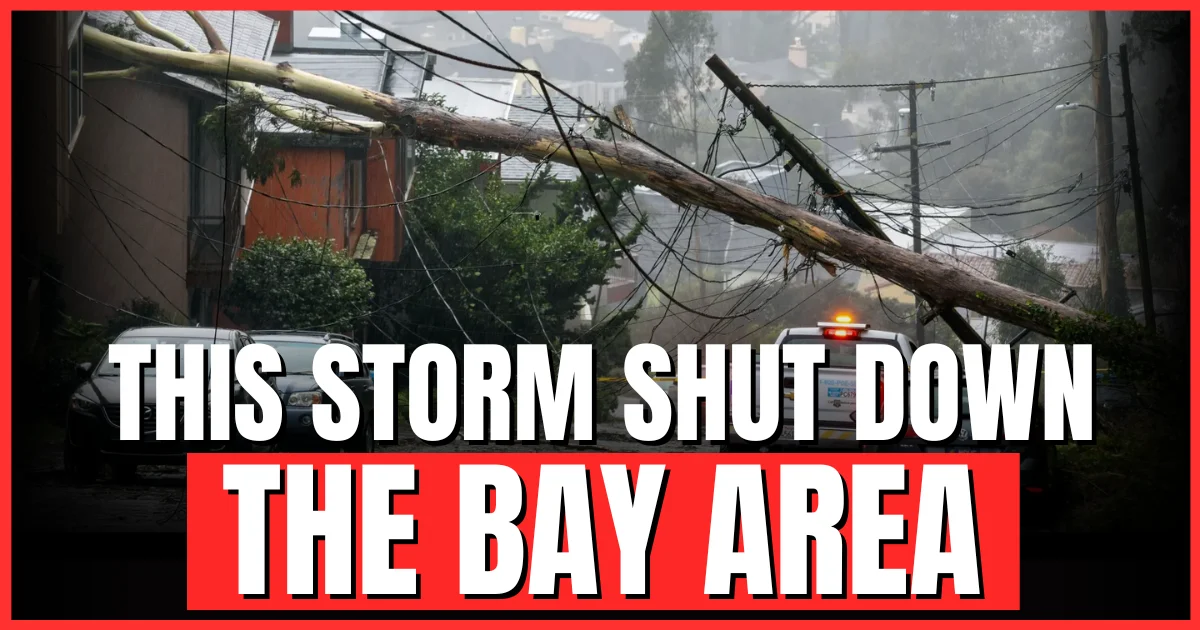
A powerful storm batters Northern California leaving 71,000 families without power and three dead. Flooding and mudslides devastate the Bay Area. Read the latest updates.
Table of Contents
Powerful Storm Batters Bay Area Leaving Thousands Without Power and Three Dead
A powerful storm has devastated Northern California, leaving tens of thousands of families across the Bay Area without electricity and claiming at least three lives as of Christmas night. Heavy rainstorms triggered widespread flooding and dangerous mudslides across multiple regions, transforming what should have been a peaceful holiday into a harrowing emergency for countless residents.
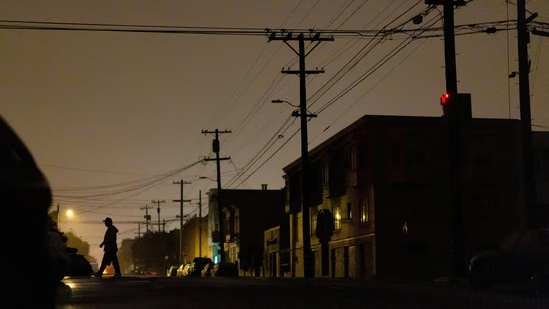
Massive Power Outages Reported
The storm’s fury knocked out electricity for approximately 71,000 families across Northern California. Most affected households are located in the northern portions of the state.
Utility crews have been working around the clock to restore power amid dangerous conditions. Downed power lines, fallen trees, and ongoing severe weather have complicated restoration efforts.
Many families spent Christmas in darkness, bundled against the cold without heat or the ability to prepare traditional holiday meals. The timing of the outage compounded the storm’s impact on affected communities.
Outage Scope and Details
The Seattle Times reported the extensive scope of power disruptions affecting Bay Area residents. The numbers reveal the storm’s widespread destruction.
Power outage details:
| Metric | Information |
|---|---|
| Families affected | Nearly 71,000 |
| Primary region | Northern California |
| Concentrated areas | Bay Area and northern state |
| Cause | Storm damage to infrastructure |
| Restoration status | Crews working continuously |
Utility companies have mobilized additional crews from neighboring regions to accelerate restoration efforts. However, ongoing severe weather conditions slow progress and create new damage.
Residents have been advised to prepare for potentially extended outages as crews work through challenging conditions.
Three Lives Lost
The storm has claimed at least three lives as of Christmas night. The fatalities underscore the deadly nature of the severe weather event.
Fatality circumstances:
- Flooding dangers — Swift water conditions proving deadly
- Mudslide risks — Unstable terrain causing casualties
- Storm-related incidents — Various weather hazards contributing
- Ongoing concerns — Death toll could rise as conditions continue
Authorities have urged residents to take all weather warnings seriously. What appears to be manageable conditions can quickly become life-threatening.
Emergency responders continue conducting rescues and welfare checks throughout affected areas.
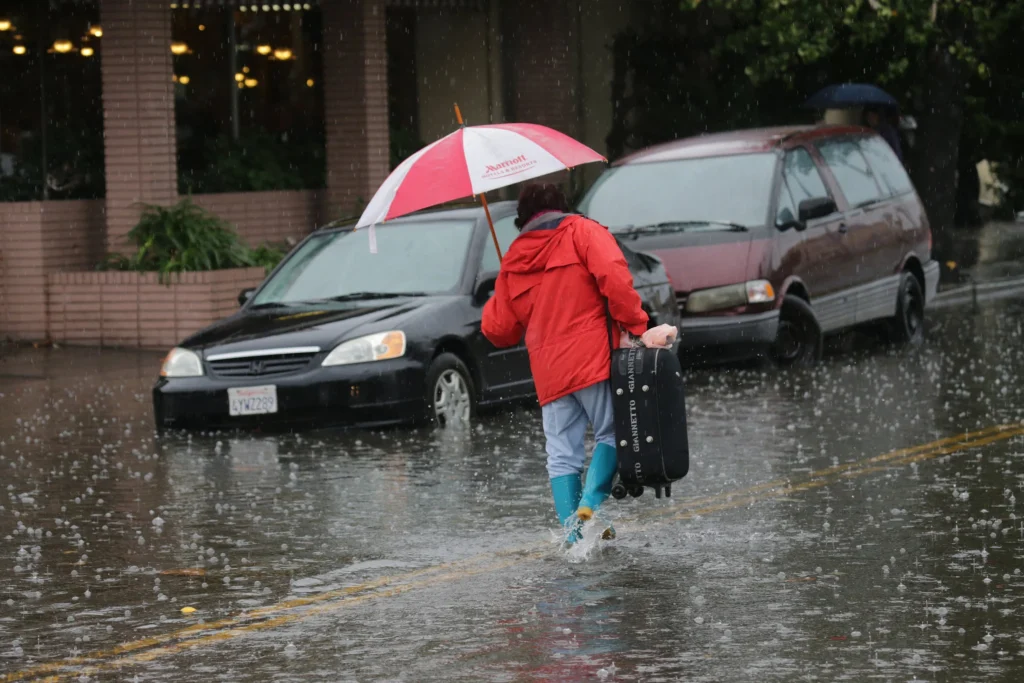
Flooding Devastates Communities
Heavy rainstorms triggered significant flooding across multiple California regions. Streets transformed into rivers and homes took on water.
Flooding impacts:
| Area | Conditions |
|---|---|
| Roadways | Many impassable or closed |
| Residential areas | Homes flooded, evacuations ordered |
| Rivers and creeks | Overflowing banks |
| Drainage systems | Overwhelmed by volume |
| Low-lying areas | Particularly vulnerable |
Residents in flood-prone areas were urged to evacuate before water levels rose. Some who stayed behind required emergency rescue as conditions deteriorated rapidly.
Floodwaters carry debris, contamination, and swift currents that create deadly conditions even in seemingly shallow water.
Mudslides Add to Danger
In addition to flooding, the heavy rains triggered mudslides across several California regions. Hillsides saturated by persistent precipitation gave way.
Mudslide concerns:
- Burn scar areas especially vulnerable
- Previous wildfire zones at high risk
- Steep terrain prone to slides
- Homes in slide paths evacuated
- Roads blocked by debris flows
California’s recent wildfire history has left many hillsides stripped of vegetation that would normally anchor soil. These burn scars become particularly dangerous during heavy rain events.
Mudslides can occur with little warning, giving residents minimal time to evacuate when conditions deteriorate.
Christmas Holiday Disrupted
The storm’s timing on Christmas made an already difficult situation emotionally harder. Families found holiday celebrations upended by emergency conditions.
Holiday impact:
| Disruption | Effect |
|---|---|
| Power outages | No lights, heat, or cooking ability |
| Evacuations | Families displaced from homes |
| Travel impossible | Roads closed, conditions dangerous |
| Gatherings cancelled | Safety concerns preventing celebrations |
| Emergency focus | Survival taking priority over festivities |
Many residents spent Christmas in emergency shelters rather than their homes. Others rode out the storm in cold, dark houses waiting for power restoration.
The timing adds psychological burden to the physical and financial toll the storm has exacted.
Emergency Response Underway
Emergency responders across Northern California have mobilized to address the storm’s impacts. Multiple agencies are coordinating rescue and recovery efforts.
Response activities:
- Swift water rescues — Teams extracting stranded residents
- Welfare checks — Verifying safety of vulnerable populations
- Road clearing — Removing debris and restoring access
- Shelter operations — Housing displaced families
- Power restoration — Utility crews repairing infrastructure
Emergency management officials continue monitoring conditions and directing resources to areas of greatest need. The response will likely continue for days as the storm’s full impact becomes clear.
Residents are encouraged to contact emergency services only for life-threatening situations to keep lines open for critical calls.
Safety Recommendations
Authorities have issued guidance for residents navigating storm conditions. Following these recommendations could save lives.
Safety guidance:
| Hazard | Recommendation |
|---|---|
| Flooded roads | Never drive through standing water |
| Downed power lines | Assume all lines are energized, avoid |
| Mudslide areas | Evacuate if ordered, don’t wait |
| Power outages | Use generators outdoors only |
| Carbon monoxide | Never use grills or generators indoors |
The adage “turn around, don’t drown” applies to flooded roadways. Just six inches of moving water can knock a person down, and two feet can float a vehicle.
Staying informed through official channels and heeding all warnings remains critical as conditions evolve.
Looking Ahead
Weather forecasts and recovery timelines will shape what comes next for affected communities. Several factors will determine the pace of recovery.
Recovery considerations:
- Additional storms possible in coming days
- Power restoration may take extended time
- Flood cleanup requires water recession
- Mudslide areas may remain unsafe
- Insurance claims and assistance processes beginning
Residents should document damage for insurance purposes while prioritizing safety. Photograph affected property only when conditions permit safe access.
The full scope of damage will become clearer as floodwaters recede and assessments are completed.

FAQs
How many people lost power in the Bay Area storm?
Nearly 71,000 families across Northern California lost electricity due to the powerful storm. Most outages occurred in the northern portions of the state, with utility crews working continuously to restore service amid challenging conditions.
How many people died in the California Christmas storm?
At least three people died as of Christmas night due to storm-related incidents including flooding and mudslides. Authorities warn the death toll could rise as severe conditions continue and more assessments are completed.
What caused the flooding and mudslides?
Heavy rainstorms saturated the ground and overwhelmed drainage systems, causing widespread flooding. Mudslides occurred as rain-soaked hillsides—especially in previous wildfire burn scar areas—became unstable and gave way.
When will power be restored to affected areas?
Utility companies have not provided specific restoration timelines as crews continue working amid ongoing severe weather. Additional storms could further delay restoration efforts. Residents should prepare for potentially extended outages.
What should residents do to stay safe during the storm?
Residents should avoid flooded roads, stay away from downed power lines, evacuate if ordered from mudslide-prone areas, use generators only outdoors, and never use grills or combustion heating indoors. Follow official guidance and emergency alerts.
Conclusion
The powerful storm that battered Northern California on Christmas has left a trail of devastation including 71,000 families without power and at least three dead. Flooding and mudslides continue threatening communities as emergency responders work to protect lives and restore normalcy.
Residents face difficult days ahead as recovery efforts begin and the storm’s full impact becomes clear. The timing on Christmas has added emotional weight to an already challenging emergency situation.
Those affected should prioritize safety while documenting damage and following official guidance for the recovery process.
Follow our weather and emergency coverage for updates on California storm recovery. Share your experiences and stay safe in the comments below.